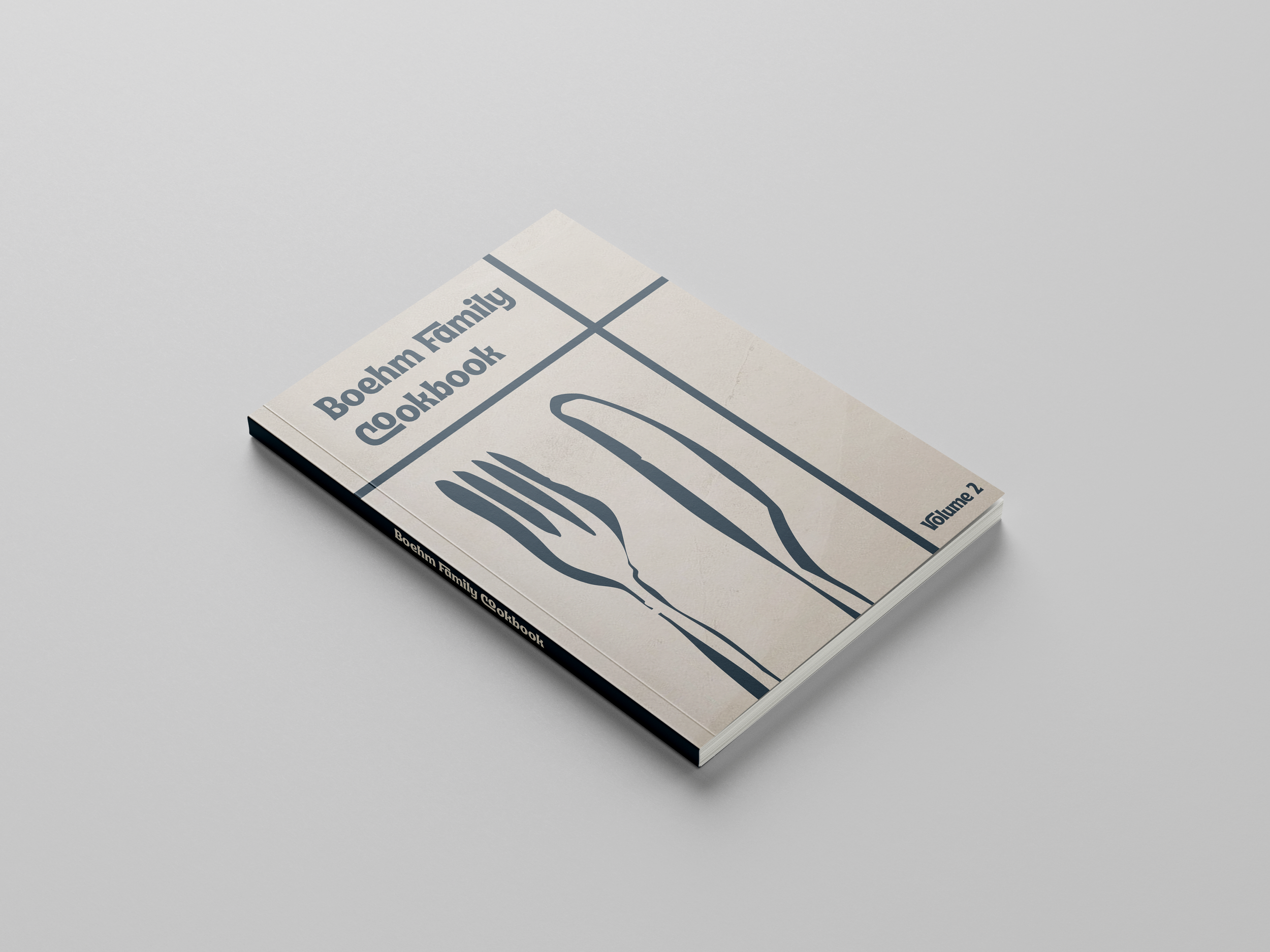
Boehm Family Cookbook Vol. 2
8.5 x 11 x .75 inch Cookbook
This project continues the cookbook my grandfather began years ago, adding more family recipes and giving them a structured, thoughtfully designed layout. Rather than keeping our recipes in scattered notes and old pages, I set out to create a structured and dependable layout that brought everything into one place.
I built the book around clear grid work, consistent typography, and a layout that makes each recipe easy to read while still feeling connected to the larger collection. The result is a functional, archival piece that preserves our family’s cooking traditions and carries my grandfather’s project forward for the next generation.
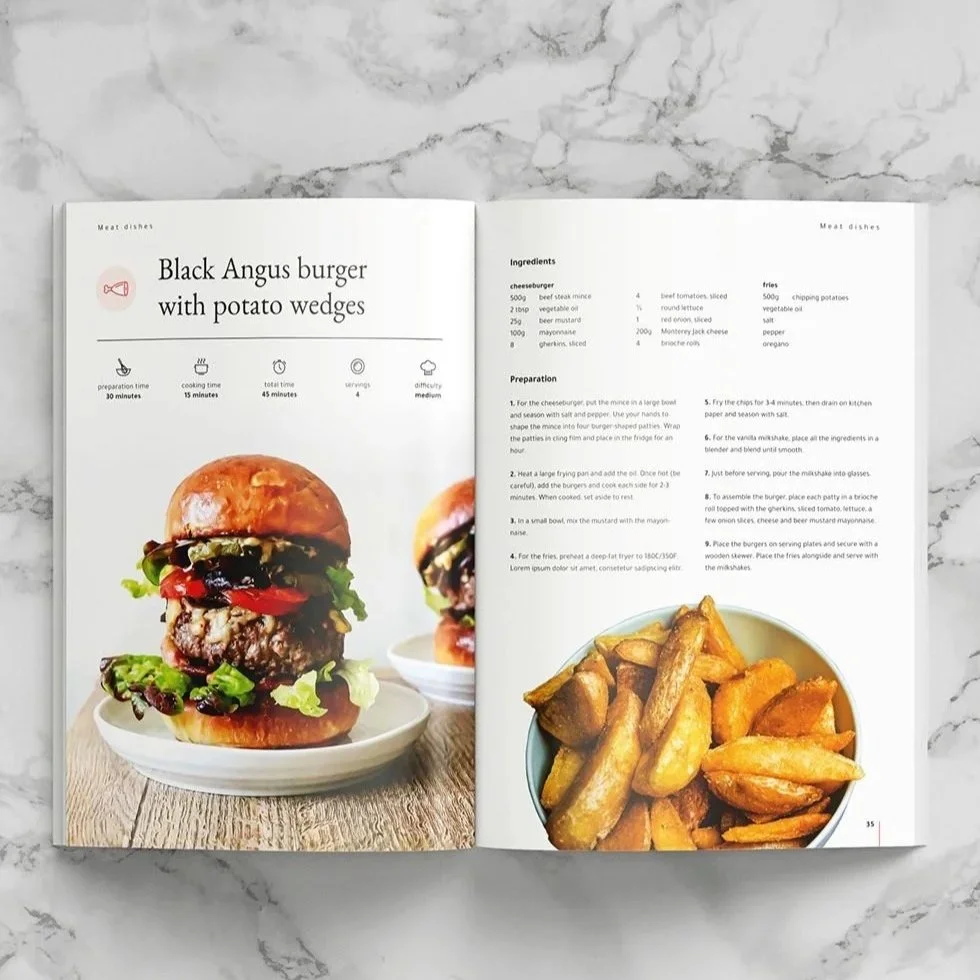
Initial Research
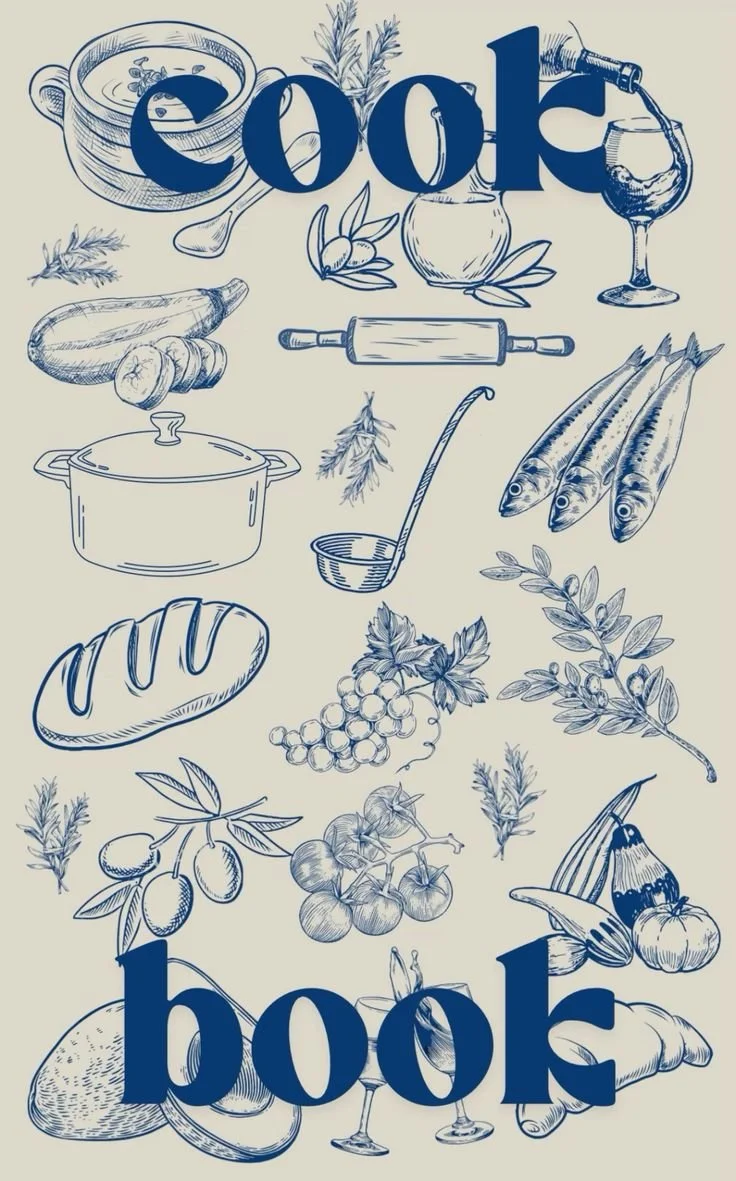
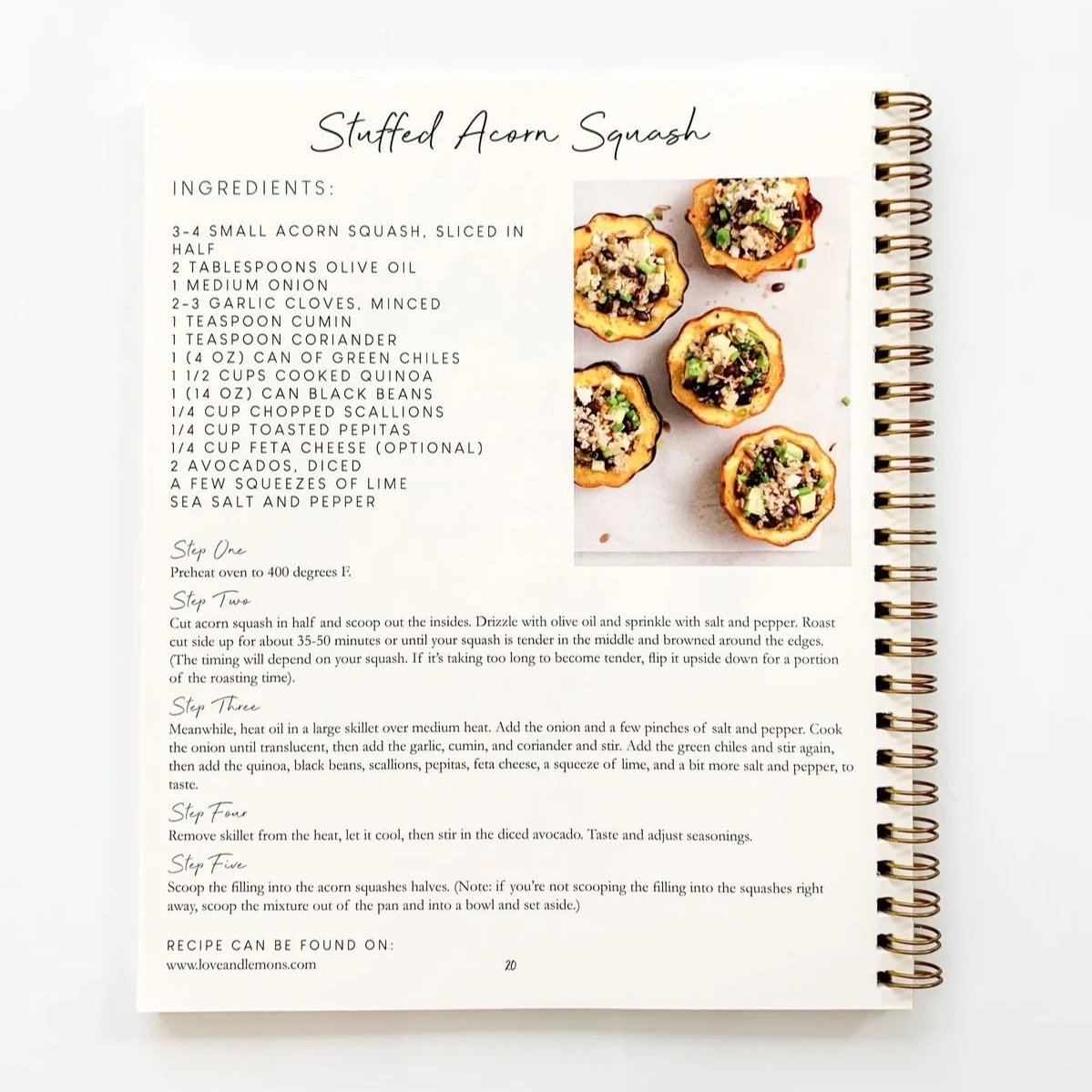
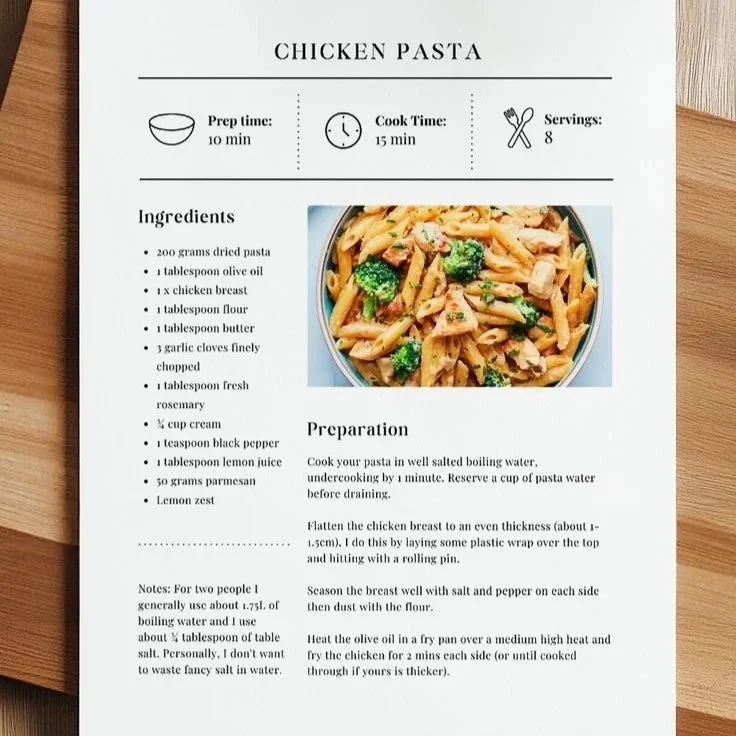
I started by visiting a few bookstores to look through physical cookbooks, paying close attention to how different designers approached layout, hierarchy, and imagery. Holding the books helped me understand how weight, scale, and pacing affect the reading experience. I also spent time researching digital cookbooks and online recipe platforms to compare how information is structured in more contemporary formats.
Combining both physical observation and online research gave me a clear sense of what makes a recipe feel easy to follow and visually balanced. These insights guided the direction of my own layout system and overall design approach for the final cookbook.
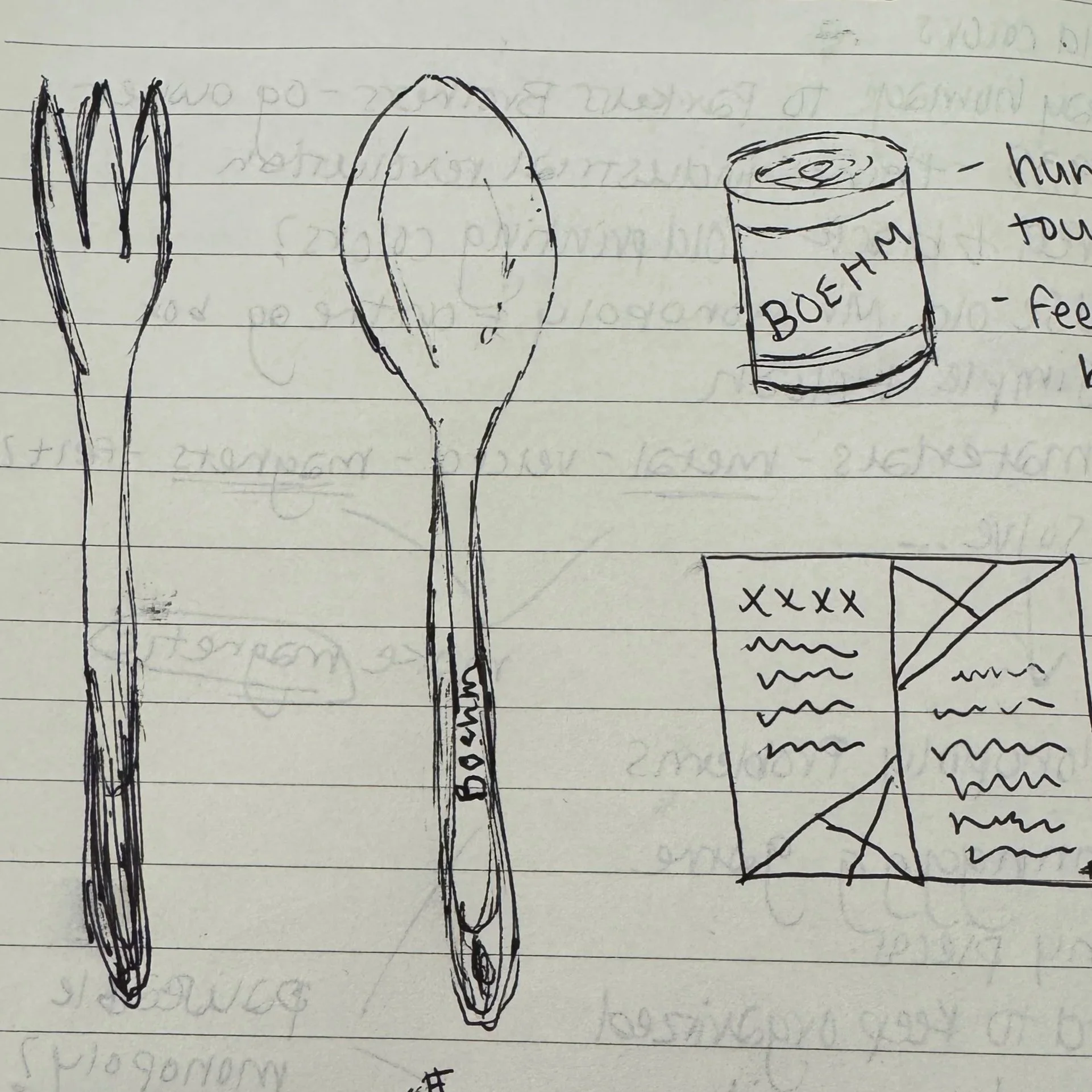
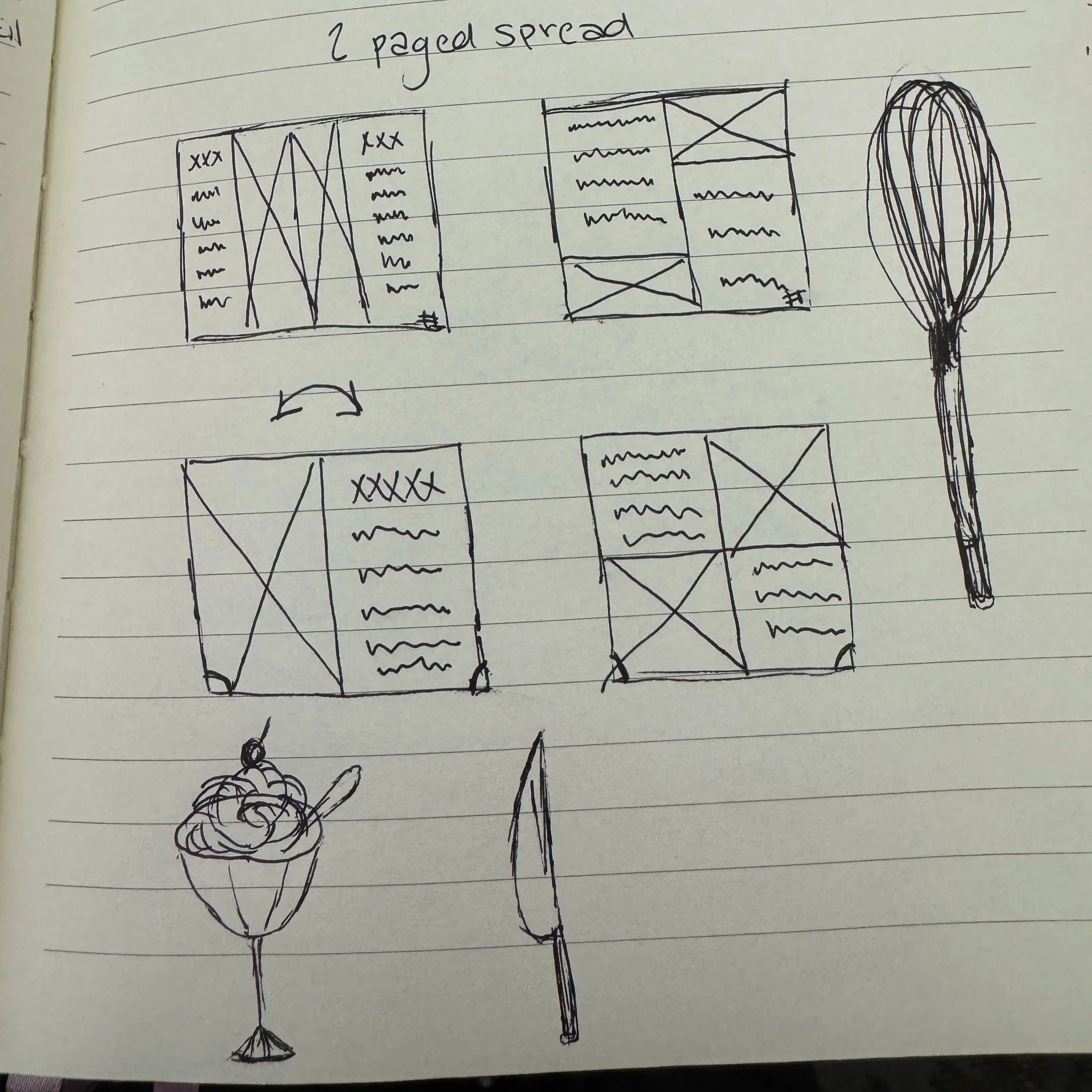
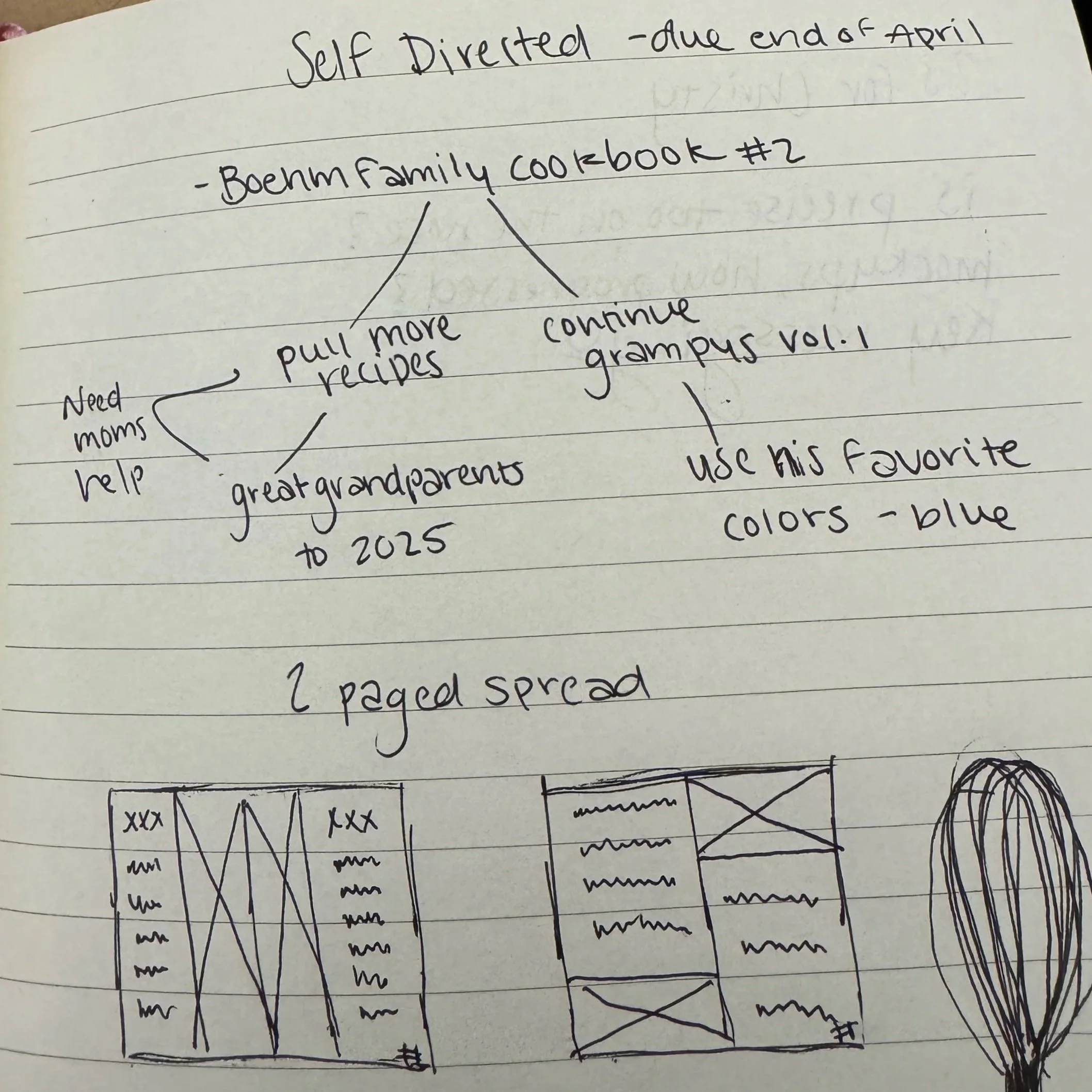

Sketch’s & Ideas
My early sketches focused on exploring how the cookbook could feel cohesive, personal, and easy to navigate. I started by drawing quick ideas for icons, spot illustrations, and possible layout structures, experimenting with different ways recipes could be organized across single and two-page spreads. These sketches helped me test how typography, imagery, and hierarchy might work together.
From there, I used rough drawings to explore pacing, placement, and how much visual detail each page should hold. I sketched different illustration styles, examined how decorative elements could support the content, and tried out multiple grid structures to find a balance between clarity and personality. These early explorations guided the direction of the final layout system and helped shape the visual tone of the cookbook.
Iterations
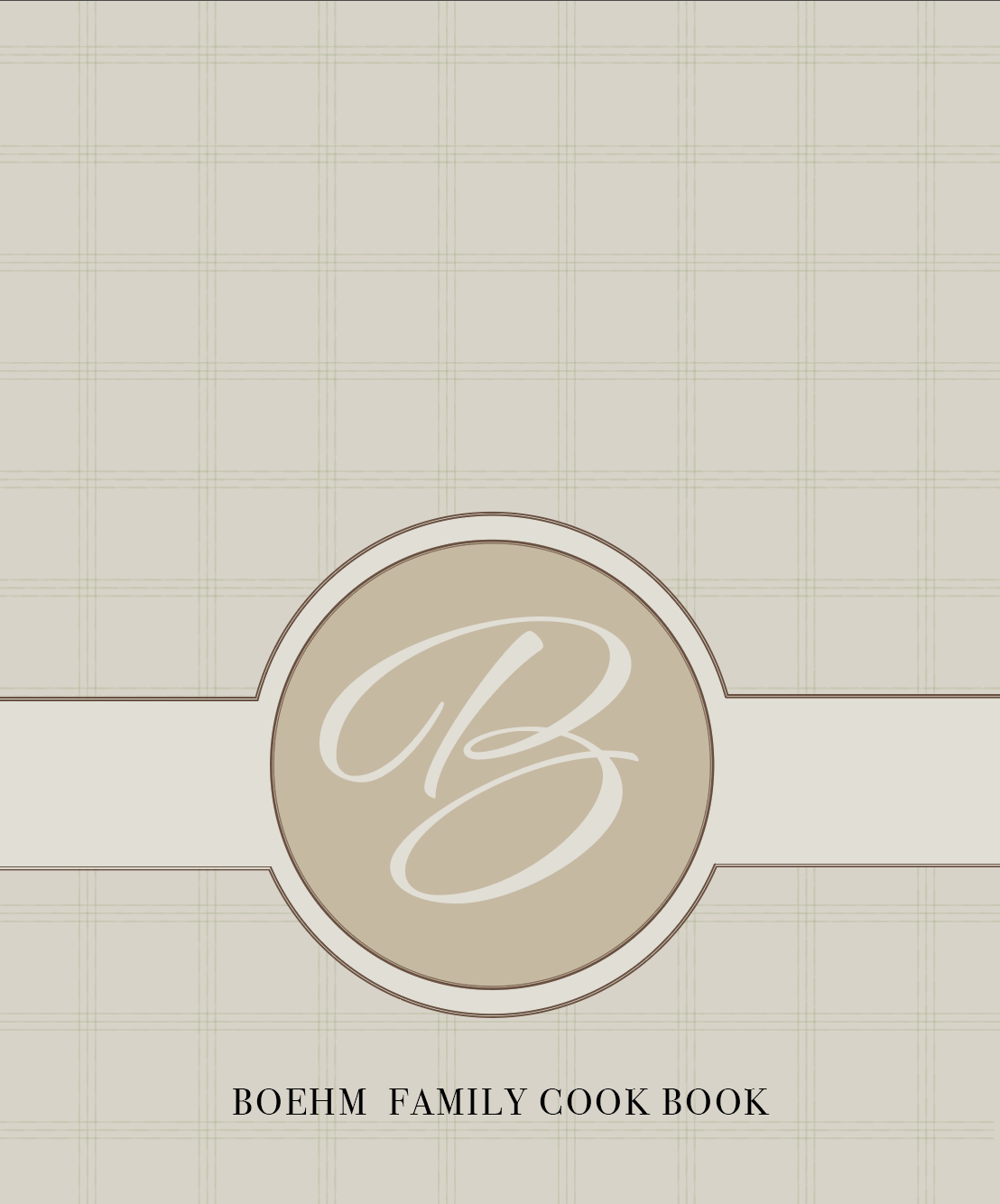
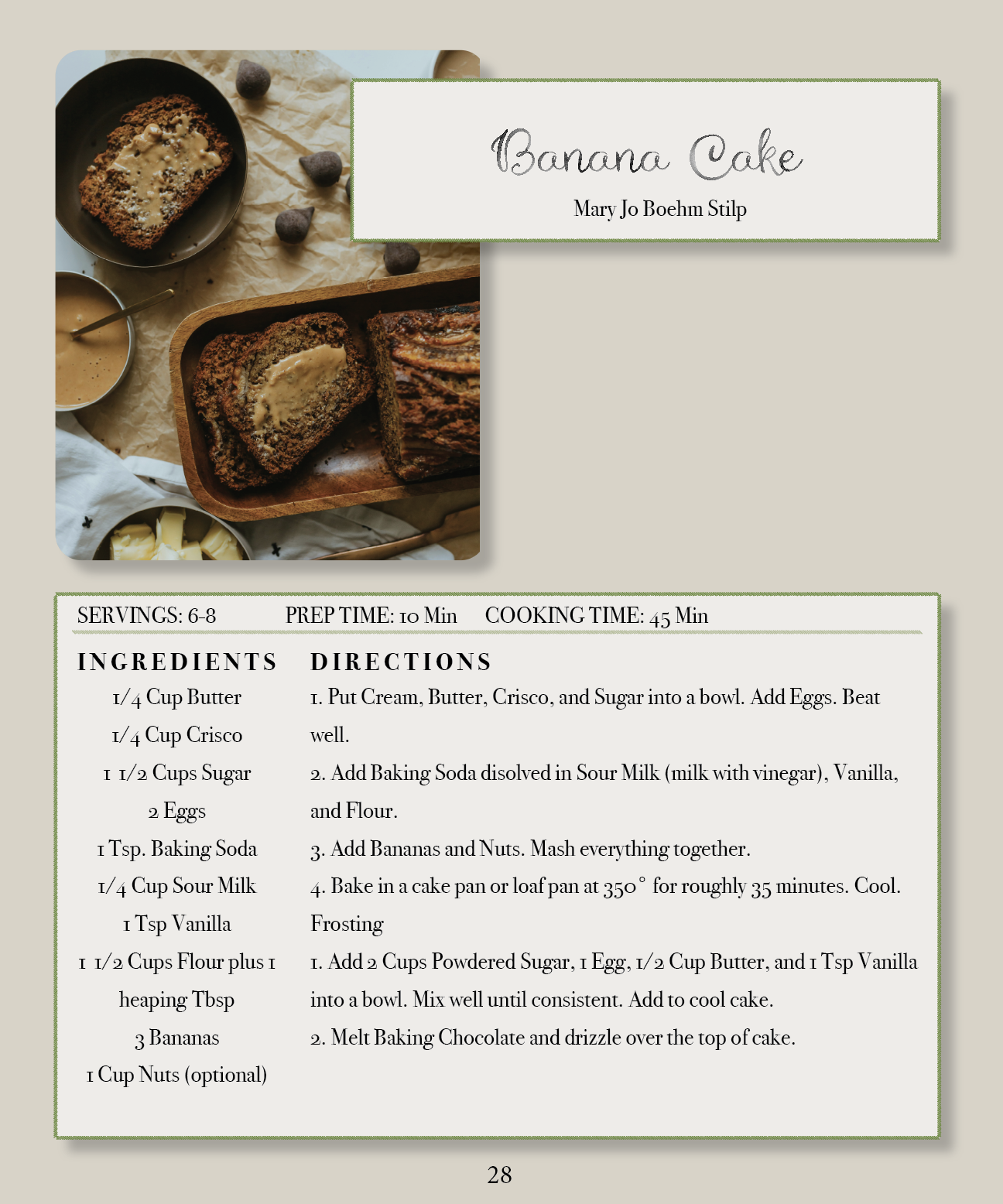
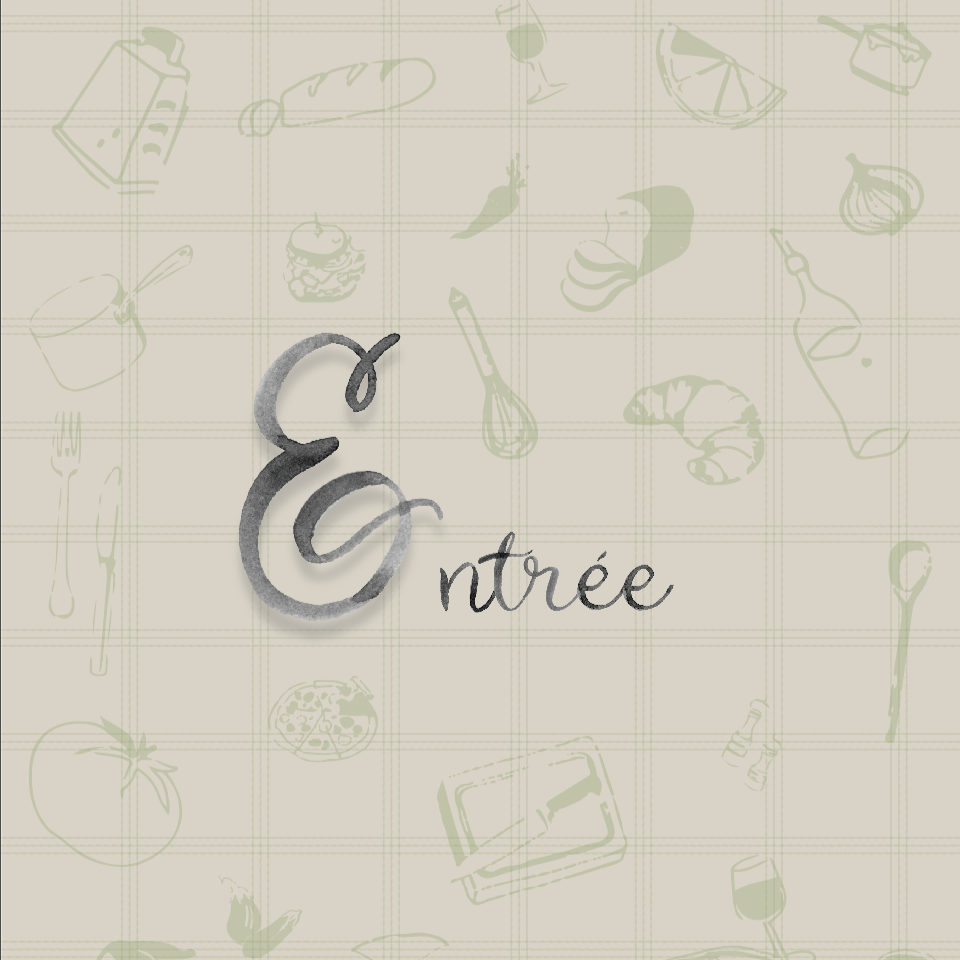
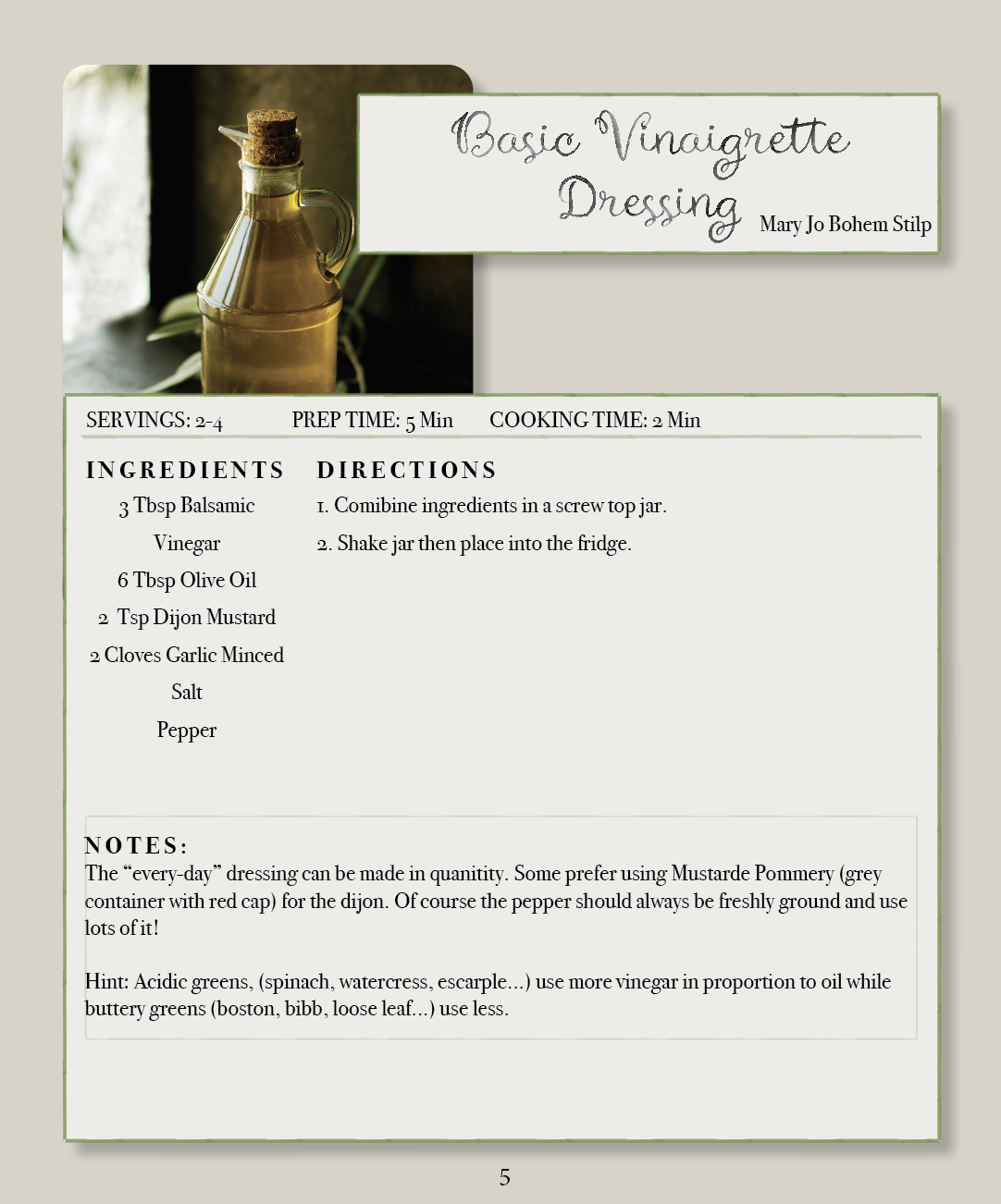
My early iterations focused on translating my sketches into digital layouts and testing different directions for the cover, section dividers, and recipe pages. Working at full scale helped me understand how typography, spacing, and imagery needed to function on the page, and I explored multiple illustration styles, type treatments, and grid structures to find a balance between clarity and personality. As I refined the system, I tested how recipes flowed across single and two-page spreads, adjusted hierarchy, and simplified decorative elements to keep the content readable. Each round of refinement helped clarify the visual language and guided the decisions that shaped the final cookbook.
Final Mockups
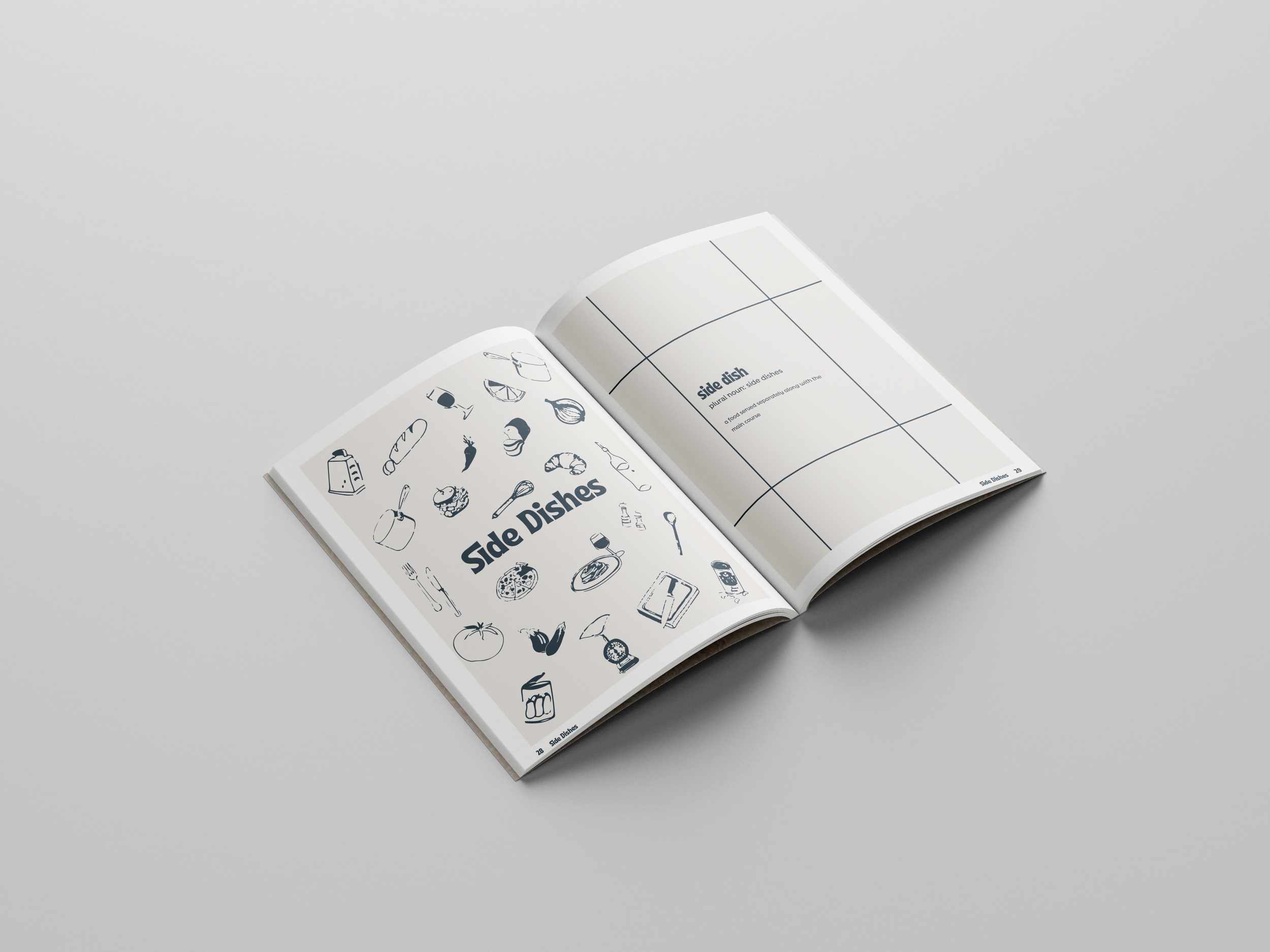
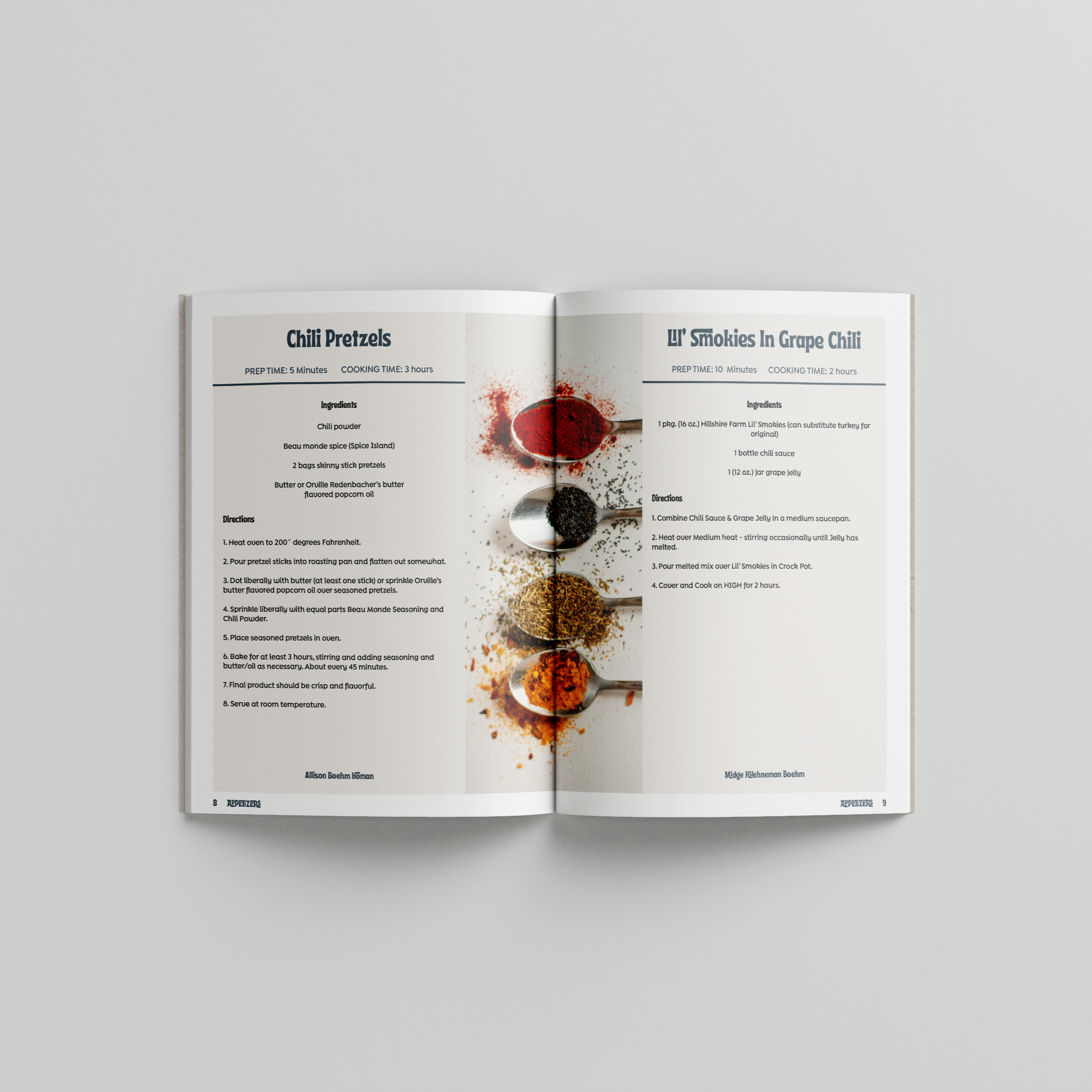
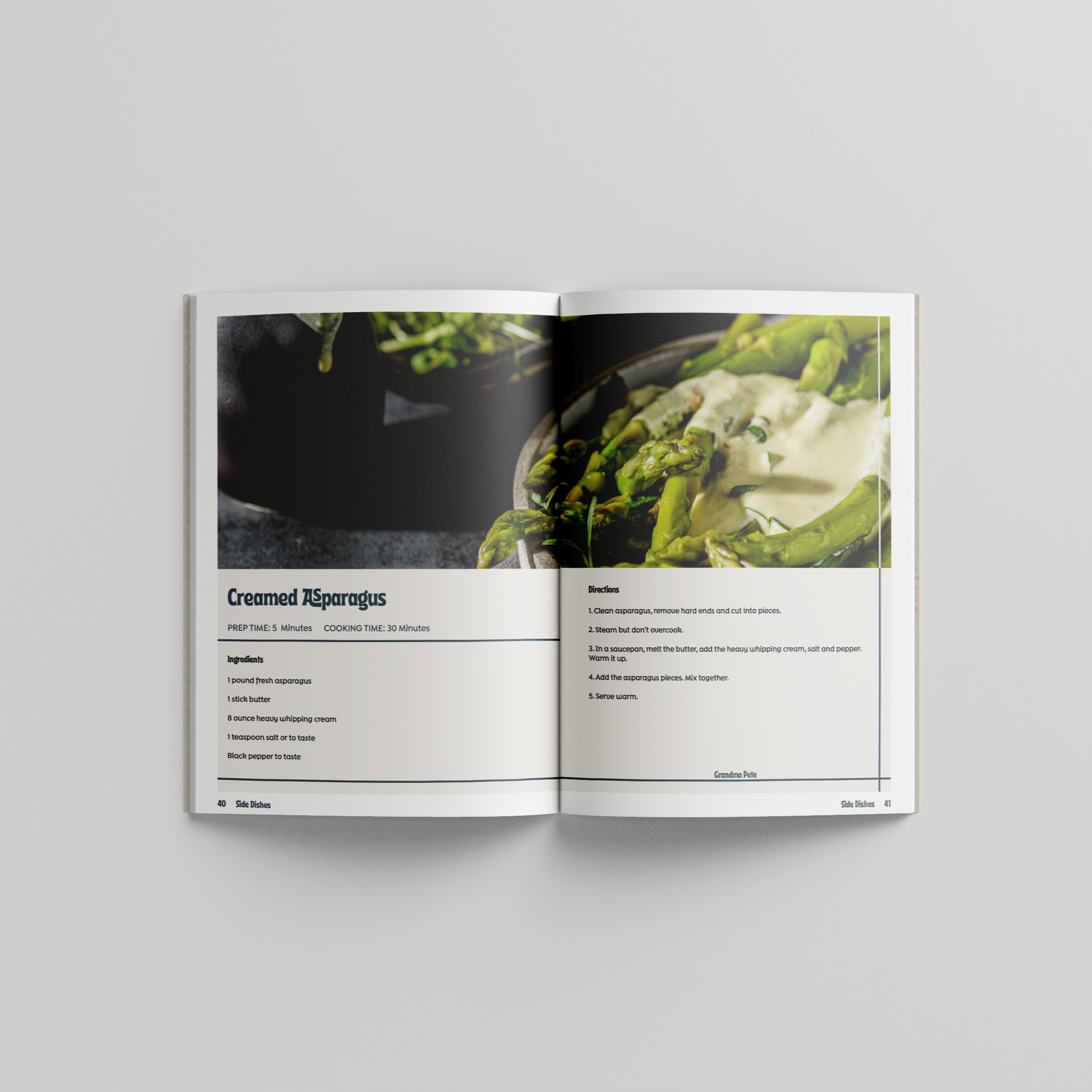
After critiques and several rounds of refinement, I moved into the final design phase. At this point the visual direction was clear, so I focused on polishing the layout system, illustration style, and overall pacing of the book. I finalized the cover design, section dividers, and recipe templates, making sure the typography, grids, and imagery felt unified across all spreads. With the visual system complete, I created a series of mockups to showcase how the cookbook functions as a finished piece and to capture the look and feel of the final design.

Final Design
Click through the flip book to view the first 99 pages of the cookbook and see how the recipes, stories, and design choices come together. This preview shows how the layout, illustrations, and structure work across the full book, but more importantly, how these elements help preserve and organize the recipes that have been passed down through my family. Bringing these pages to life allowed me to turn a collection of memories and traditions into a cohesive volume that feels meaningful, functional, and true to where these recipes came from.